

Glass fixtures are increasingly being used in most modern residential and commercial buildings. And with good reason
Quick answer: A glass curtain wall is a non-load-bearing outer wall made of glass panels held in lightweight aluminium frames. It hangs off the building structure rather than supporting it, keeps the weather out and floods the interior with natural light. The three main types are stick systems (assembled on site), unitized systems (pre-assembled panels, common on high-rises) and structural glazing (glass bonded with silicone, with no visible frames).
Besides giving the building a stylish, elegant look, glass fixtures are strong, durable, easy to clean, and relatively cost-effective. Modern glass curtain walls are built as non-structural elements that are supported by the building structure, unlike traditional load-bearing walls made of timber or masonry. This shift has allowed for lighter, more open facades and the widespread use of glass in building envelopes.
One such building glass fixture causing ripples in the building scene lately is glass curtains.
A glass curtain consists of vertical panels supported by thin aluminum top and bottom paneling. This type of system falls under the broader category of curtain walling, which refers to exterior glazing systems designed to insulate and protect buildings while remaining lightweight and non-load-bearing.
Some glass curtain systems have Teflon guides and metal rails that help the curtains slide or swing open or shut.
Glass facades created by curtain walling are a defining feature of modern architecture, offering visual transparency, natural light, and a sleek appearance.
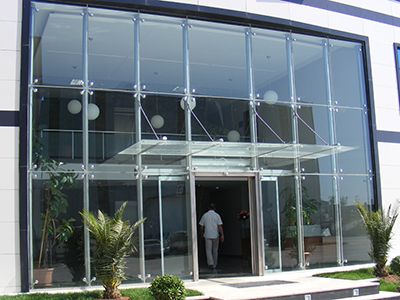
What Is a Glass Curtain Wall?
Glass curtains are a modern solution in building design, serving as a type of curtain wall system that enhances both the appearance and performance of a building.
Unlike traditional walls, a curtain wall is a non-structural outer covering that protects the interior from the elements while creating a visually striking facade. These systems are constructed from glass panels supported by lightweight aluminum frames, allowing architects to create expansive, open spaces filled with natural light.
One of the key benefits of using a glass curtain wall system is its ability to maximize natural light, which not only improves the visual comfort of interior spaces but also helps reduce the need for artificial lighting.
This, in turn, can lower energy consumption and cooling costs, making glass curtains an efficient green energy choice for modern buildings.
The flexibility of the system means it can be customized to fit a wide range of architectural styles, from sleek commercial towers to contemporary residential homes. By creating a seamless connection between the indoors and outdoors, glass curtains offer both aesthetic appeal and practical advantages, making them a popular choice in today’s construction projects.
What Are the Types of Curtain Wall Systems?
Curtain wall systems come in several different types, each designed to meet specific project needs and installation requirements. The most common types include stick systems, unitized systems, and structural glazing systems.
Choosing the right curtain wall system depends on factors such as project size, budget, timeline, and desired energy performance. For example, unitized systems are often preferred for high-rise buildings due to their quick installation and superior quality, while stick systems are better suited for smaller or more intricate projects.
1. Stick Systems
Stick systems involve assembling the curtain wall components—such as glass panels and aluminum frames—piece by piece directly on the construction site. This approach offers flexibility for projects with complex designs or unique site conditions, but it can be more time-consuming and labor-intensive.
2. Unitized Systems
Unitized systems, on the other hand, are pre-assembled in a factory into large panels or units, which are then transported to the site and installed as complete sections. This method speeds up installation, ensures higher quality control, and is especially advantageous for large-scale projects where efficiency and consistency are critical.
3. Structural Glazing Systems
Structural glazing systems use strong silicone sealants to attach the glass directly to the frame, eliminating the need for visible mullions and creating a smooth, uninterrupted glass facade. This system is ideal for projects aiming for a sleek, modern look.
By understanding the different types of curtain walls, architects and builders can select the best system to achieve their design and performance goals.
Curtain Wall Systems Compared
| System | How it is built | Best for |
|---|---|---|
| Stick system | Glass and frames assembled piece by piece on site | Smaller or complex projects |
| Unitized system | Large panels pre-assembled in a factory, then installed | High-rise and large-scale projects |
| Structural glazing | Glass bonded to the frame with silicone, no visible mullions | Sleek, seamless glass facades |
8 Benefits of Installing a Glass Curtain
Investing in glass curtains, although expensive with the initial costs, has numerous benefits for building owners.
One key advantage of glass curtain walls is their unique combination of easier cleaning, high customization, superior sound insulation, and advanced weather protection compared to other systems.
1. Sleek Modern Design
The futuristic look and feel of the glass curtain system give buildings a sleek modern touch, perfect for new-age installations. Glass curtain walls also play a significant role in defining the architectural style of a building, offering a contemporary and elegant appearance.
Glass curtains also allow the optimal passage of natural light, making living spaces airier and giving a flowing transition from the outdoors to indoors.
Additionally, the transparent partition of a glass curtain wall, improved strength, and durability, compared to drywall, or similar partitioning components, make this product a favorite in building design.

2. Extensively Customizable
The best part about using glass curtains is that they are pretty simple to customize, unlike other building materials, which, once manufactured, cannot be adjusted.
Glass curtains can be fabricated and customized to fit any patented design you may have for your building.
You can change the color, texture, size, form, and shape of glass curtain windows, doors, facades, or doors according to your desires.
Whether introducing Teflon guides or metal rails to make the smart glass system effortlessly slide or swing, glass curtains can be easily customized.
Selecting the right system is essential to ensure your glass curtain wall offers the best customization and performance for your specific project needs.
3. Weather Protection
A glass curtain wall facade, window, or canopy very effectively limits adverse weather effects on a building.
The design and materials used in constructing window, roof, and curtain wall glass ensure that rain, wind, hail, sleet, snow, and heat are effectively kept out of a building. Effective air sealing in glass curtain walls helps prevent air infiltration, further enhancing weather resistance and improving overall building performance.
Glass curtains often incorporate thin translucent glass strips between glass panels that improve these products’ wind and waterproof properties.
For durable and long-lasting smart glass instead, contact Chiefway.
4. Sound Insulation
Living with noisy neighbors is not fun, and getting them to quiet down is never easy.
Fortunately, with soundproofed glass curtains, you no longer need to fight with your neighbors about noise control.
And the best part is that acoustic glass curtains effectively reduce noise levels, ensuring you get the peace and serenity you deserve.
Many hospitality, medical and educational customers often opt for soundproofed glass curtains.
For best results, consider soundproofing your glass partition wall, outer glass facade, or balcony glass wall.

5. Hygienic
A curtain glass wall, window, or roof is easier to clean than structures made of wood, metal, cement, or composite materials.
Unlike other materials, cleaning glass fixtures only requires a simple pat down with water and vinegar minus any expensive products, training, or expertise.
Glass curtains with easy-to-clean glass panels are perfect for outdoor locations like exterior walls, facades, and roofs that control the passage of light in and out of buildings.
Clean indoor glass curtains, like glass partition curtains, also work well by making rooms more airy and comfortable for occupants.

6. Easy Maintenance
Due to the simple design and few materials used to make glass curtains, they are simple to maintain and don’t require any complex skills or a maintenance manual.
Glass curtains usually comprise only two or three materials like glass panels, aluminum or steel frame, and rubber/Teflon stacks or tracks for sliding or swinging.
Easy glass curtains maintenance means anyone can install these glass fixtures.
7. Energy Performance
The energy performance of a curtain wall system is a critical consideration in modern building design. Curtain wall systems can significantly enhance a building’s energy efficiency by providing effective thermal insulation and controlling the amount of solar heat that enters the space. Advanced glazing options, such as low-E coatings and double- or triple-glazed glass, help minimize heat transfer, reducing both heating and cooling costs throughout the year.
Thermal breaks within the aluminum frames further improve insulation, preventing unwanted heat loss or gain. The design and orientation of the curtain wall system also play a vital role in energy performance. Features like shading devices, optimized window sizes, and the selection of appropriate glazing types can all contribute to a more energy-efficient building envelope.
By collaborating closely, architects and builders can tailor a curtain wall system to meet the specific energy requirements of each project, taking into account local climate, building orientation, and the comfort of occupants.
Investing in a high-performance curtain wall system not only lowers operational costs but also supports sustainable building practices and enhances the overall value of the property.
8. Cost and Budget
When planning a curtain wall project, understanding the cost and budget implications is essential. The overall expense of a curtain wall system depends on several factors, including the type of system chosen, the materials used, and the complexity of the design.
For instance, unitized systems generally have higher upfront costs due to the pre-assembly process, but they can offer significant long-term savings through faster installation and improved energy efficiency.
Material choices—such as glass, aluminum, and steel—also impact the budget, as do the size and performance requirements of the system. Working with a reputable supplier and experienced installer is crucial to ensure that the curtain wall system is both cost-effective and meets the desired standards for energy performance and aesthetics.
A free consultation with a curtain wall expert can help building owners and architects evaluate their options, balancing budget constraints with the need for high performance and energy efficiency.
By carefully considering these factors and collaborating with the right professionals, it’s possible to create a custom curtain wall system that delivers lasting value, enhances the building’s appearance, and supports sustainable, energy-efficient operation.
Why Chiefway Glass is Better Than Glass Curtain Walls
Smart glass technology has completely revolutionized the building glass industry, enabling the installation of more personalized and functional smart glass curtain fixtures. In addition, smart glass enhances access to natural light and outdoor views, significantly improving occupant comfort and the overall functionality of the building envelope.
And while the glass curtain concept is growing, this technology faces challenges like privacy at will, temperature control, and sustainable interior design that smart glass solves.
Here are the top reasons why Chiefways smart glass is the best material for your glass curtains.
1. Ultimate Convenience
Smart glass technology offers users high convenience when used on any smart glass fixture.
The smart glass technology relies on PDLC film that becomes instantly activated when a current passes, causing the smart glass fixture instantly opaque or transparent.
So whether you’re considering a glass window, door, or roof curtain, smart glass is the best material for the job. You can customize smart glass and tailor it to your needs.
2. Multifunctional
A smart glass window, door, roof, facade, partition, or canopy can be used for multiple purposes.
The multipurpose nature of switchable smart glass fixtures allows them to work as projector screens, instant privacy screens, and touch screens with the simple flick of a switch.
Advancements in glass technology also mean that smart glass curtains can be customized to take on different shapes and textures, allowing them to be used for many more purposes other than as curtains.
Consider using smart glass curtains in your patio or balconies for extended daylighting all year round.
3. Enhanced Security
Due to its robust design and high-quality materials, smart glass enhances security of office blocks, residential buildings, and numerous other buildings.
Smart glass fixtures can withstand brute force attacks, unlike standard glass.
Additionally, the ability of switchable smart glass curtains to instantly turn opaque reduces visibility, thereby increasing security and reducing the chances of an attack.
4. Increased Durability
Smart glass is generally made of toughened glass panels with a robust aluminum frame that lasts longer than ordinary glass.
The extra PDLC or photochromic layer on smart glass ensures that smart glass fixtures withstand UV radiation prolonging their lifespan.
Additionally, the professional quality of smart glass Malaysia from Chiefwaytranslates to longer-lasting fixtures than standard glass.
5. Sustainable
Due to its design, energy saving smart glass can conserve energy during cold seasons and cool buildings during hot seasons.
In addition to smart glass, timber curtain wall systems are a sustainable alternative that offer eco-friendly benefits and are increasingly used in modern architecture for their natural appeal and insulation properties. Natural stone can also be used as an infill material in curtain wall systems, providing a premium look with sustainable advantages such as reduced weight and easier installation.
The ability of smart glass to regulate temperatures means that property owners can save on heating and cooling costs which is a crucial component of a sustainable ecosystem.
Smart glass curtains also control UV rays which means that fading and UV exposure are reduced, keeping you and your property safe all year round.
Frequently Asked Questions About Glass Curtain Walls
Is a curtain wall load-bearing?
No. A curtain wall is non-structural. It carries only its own weight and is supported by the building’s frame.
What is the difference between stick and unitized curtain walls?
Stick systems are assembled piece by piece on site, which suits smaller or complex projects. Unitized systems arrive as factory-made panels, which install faster with more consistent quality and suit high-rise buildings.
Are glass curtain walls energy efficient?
They can be. Low-E coatings, double or triple glazing and thermal breaks in the aluminium frames reduce heat transfer and cooling costs.
Can smart glass be used in a glass curtain wall?
Yes. Smart glass can be customised for curtain wall fixtures and switches between clear and opaque for privacy on demand.
Final Thoughts
Are you ready for an exciting construction journey that will see you harness nature’s power, contribute to environmental restoration, and apply the latest cutting-edge glass technology?
If you are, then Chiefway Malaysia, the leading smart glass manufacturer in the region, has your back.
At Chiefway, we have the skills and experience to tackle simple and complex standard and smart glass projects of all types.
Our in-house experts at Chiefway will guide you on the latest and most efficient use of smart glass in your building!


